At Devank Bharat Foundation, we are dedicated to driving positive rural transformation by connecting corporates with farmers. Our focus lies in creating impactful partnerships that restore biodiversity, enhance farmer livelihoods, and align with India’s sustainability and SDG goals. Through our Farmer Sponsorship Programs, we equip farmers with scientific beekeeping training, essential tools, and long-term support, turning them into eco-entrepreneurs who contribute to a healthier environment, stronger food systems, and thriving rural communities.
Our vision
Bharat is our vision for a greener, stronger, and thriving India. It stands for Bees for Harmony, Agriculture, Resilience, Awareness, and Transformation. This scalable initiative focuses on transforming India through the power of beekeeping by empowering communities, supporting agriculture, and improving environmental balance. Bee 1 for bharat represents the first step toward a sustainable future where every hive helps build a healthier and more prosperous nation.
Our Mission
Devank is our mission for a sustainable India. It stands for Developing Environmental Vitality through Awareness, Nurture, and Knowledge. This scalable movement nurtures environmental vitality and empowers communities through sustainable beekeeping. Bee the Change with devank driving awareness, nurture, and knowledge for a greener India.
about program
At Devank Bharat Foundation, our flagship Farmer Sponsorship Program empowers rural farmers through sustainable beekeeping (apiculture). We partner with corporates, CSR, and ESG initiatives to transform traditional farming into a more profitable and eco-friendly livelihood.
What the Program Does
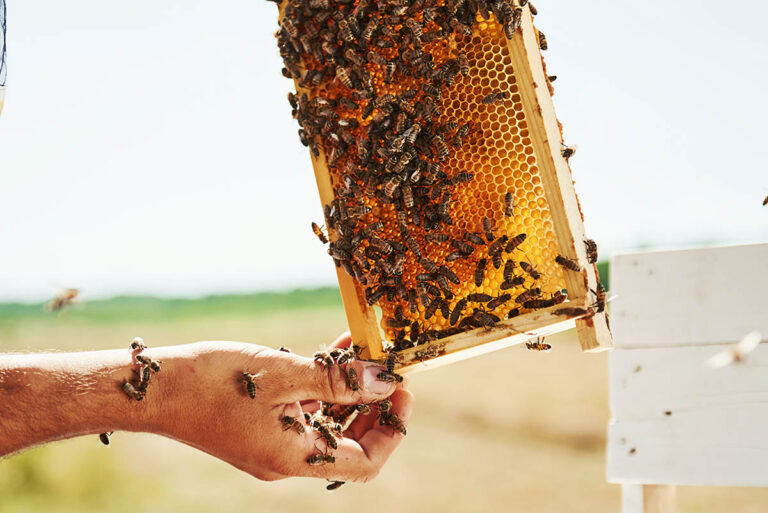
The Farmer Sponsorship Program by Devank Bharat Foundation empowers rural farmers through sustainable beekeeping (apiculture). It provides bee colonies, hives, and modern tools while offering hands-on training and expert mentorship in scientific beekeeping. The program creates additional income opportunities through honey, beeswax, pollen, and propolis, and boosts crop yields by 20–30% through improved pollination. By supporting biodiversity restoration and reducing dependence on chemical fertilizers, the initiative strengthens both farmer livelihoods and the environment.
How It Works
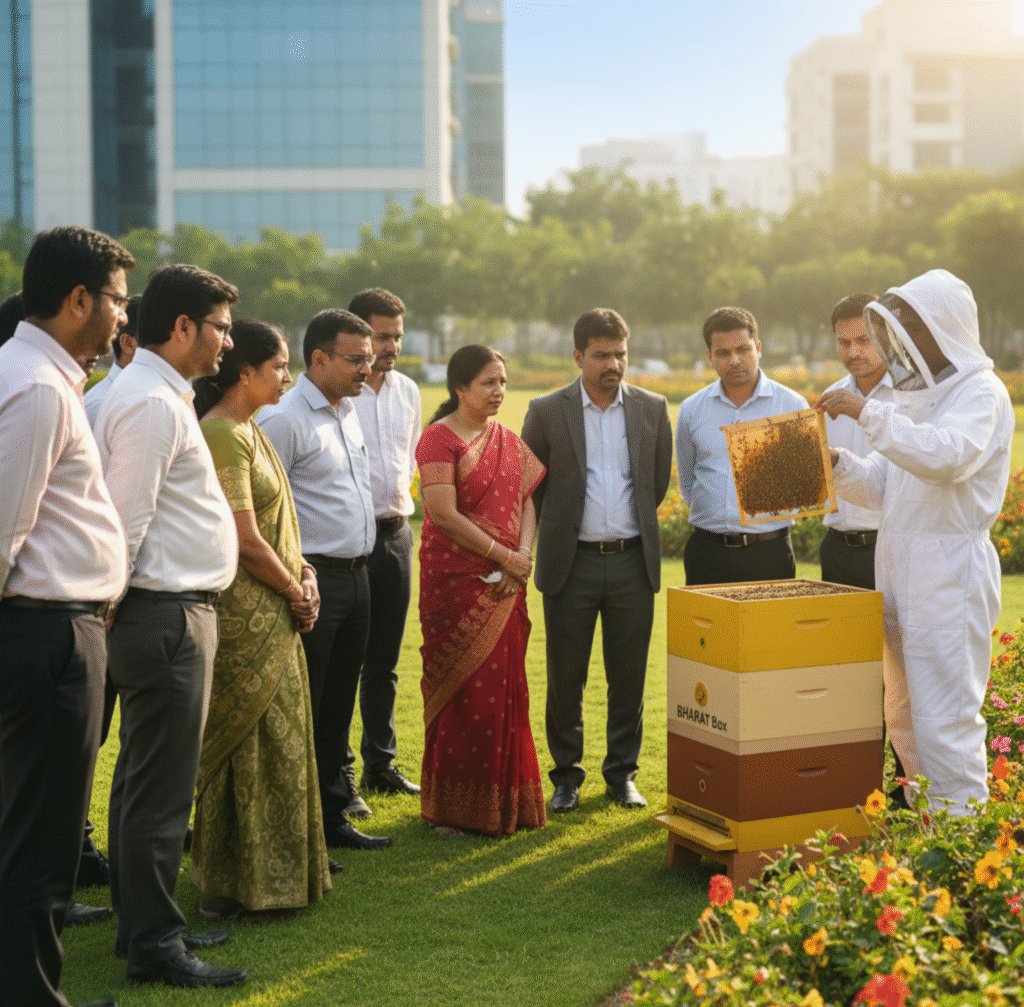
Through our Corporate Sponsorship model, businesses collaborate with us under CSR and ESG initiatives to support and sponsor farmers. We carefully select eligible farmers and provide them with professional beekeeping training, followed by the allocation of complete beekeeping kits, hives, and colonies. With continuous on-ground mentorship, farmers adopt scientific practices that ensure successful honey production. We also establish strong market linkages, connecting farmers to reliable buyers for honey and by-products. To maintain transparency and impact measurement, corporates receive quarterly reports with verified outcomes and progress.
The Crisis
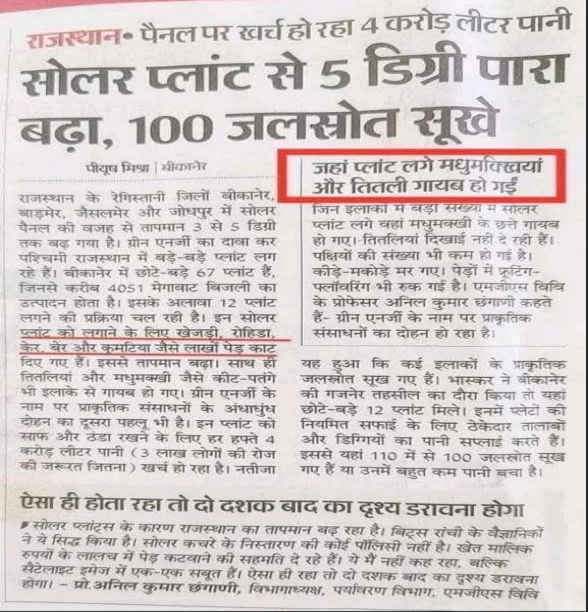
The crisis of biodiversity loss threatens ecosystems, and declining bee populations endanger pollination and food security. Protecting bees and biodiversity is essential for a sustainable and resilient planet.
Biodiversity & Bees
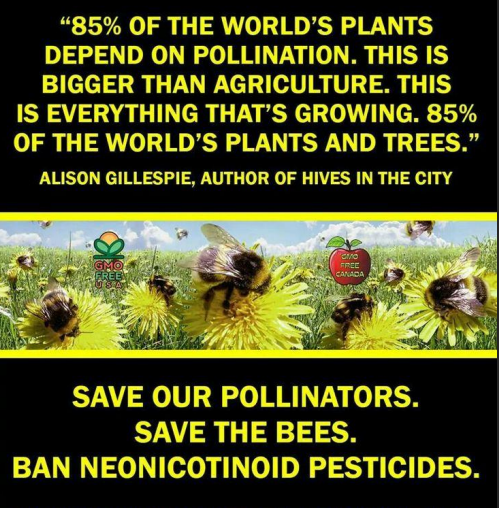
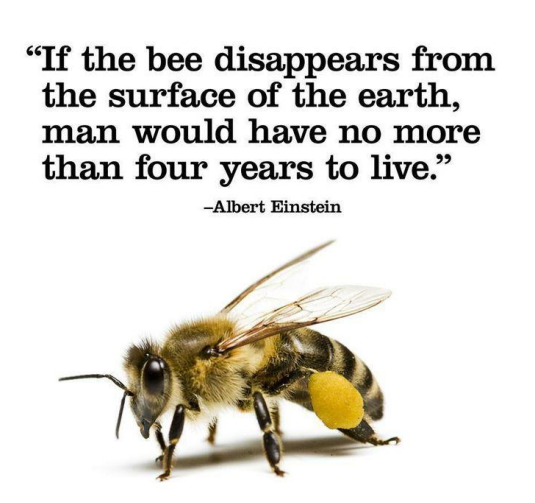
The rapid decline in honey bee populations threatens global biodiversity. Bees pollinate most flowering plants, and their loss disrupts ecosystems, reduces crop yields, and endangers food security.
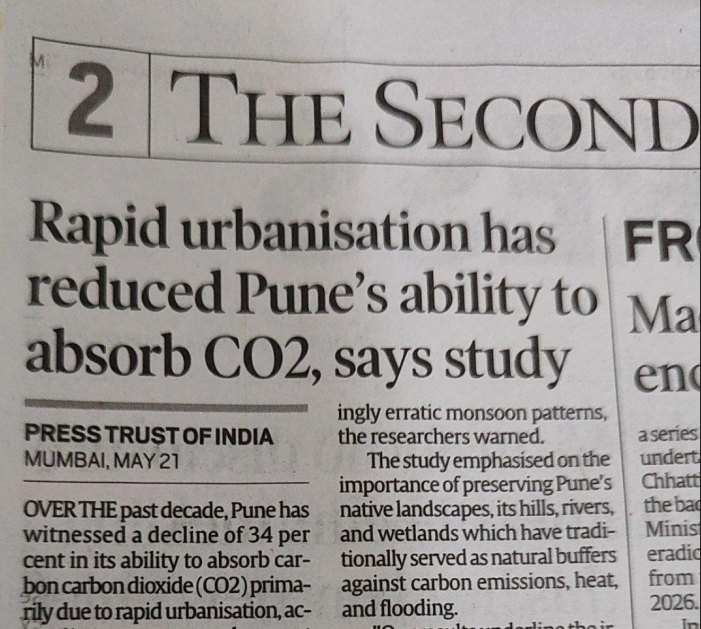
CO₂ Emissions & Climate Impact
Rising CO₂ emissions are altering weather patterns and reducing the availability of flowering plants. These climate shifts affect bees’ foraging behavior, weaken their colonies, and impact pollination cycles.
Flora & Fauna Decline
Habitat destruction, pesticides, and monoculture farming are causing a decline in natural flora and dependent fauna. This imbalance reduces nectar sources for bees and weakens the entire ecological chain.
Importance of Honey Bees for Agriculture Growth
Honey bees are vital pollinators, supporting over 75% of flowering plants and one-third of food crops. Their pollination boosts yields by 20–30%, improves crop quality, and ensures a stable food supply for key crops like fruits, oilseeds, and nuts. By aiding natural plant reproduction, they reduce the need for chemical fertilizers and create extra income for farmers through honey, wax, and other by-products. Protecting honey bees means protecting agriculture, biodiversity, and food security.
Advancing Environmental Vitality Farm
Supports global ESG frameworks
Supports global ESG frameworks by fostering sustainable beekeeping, enriching biodiversity, and creating resilient rural livelihoods for a responsible tomorrow.
Aligns with India’s national sustainability goals
Aligned with India’s national sustainability goals, our initiative fosters sustainable beekeeping, enhances biodiversity, and supports rural livelihoods for a greener future.
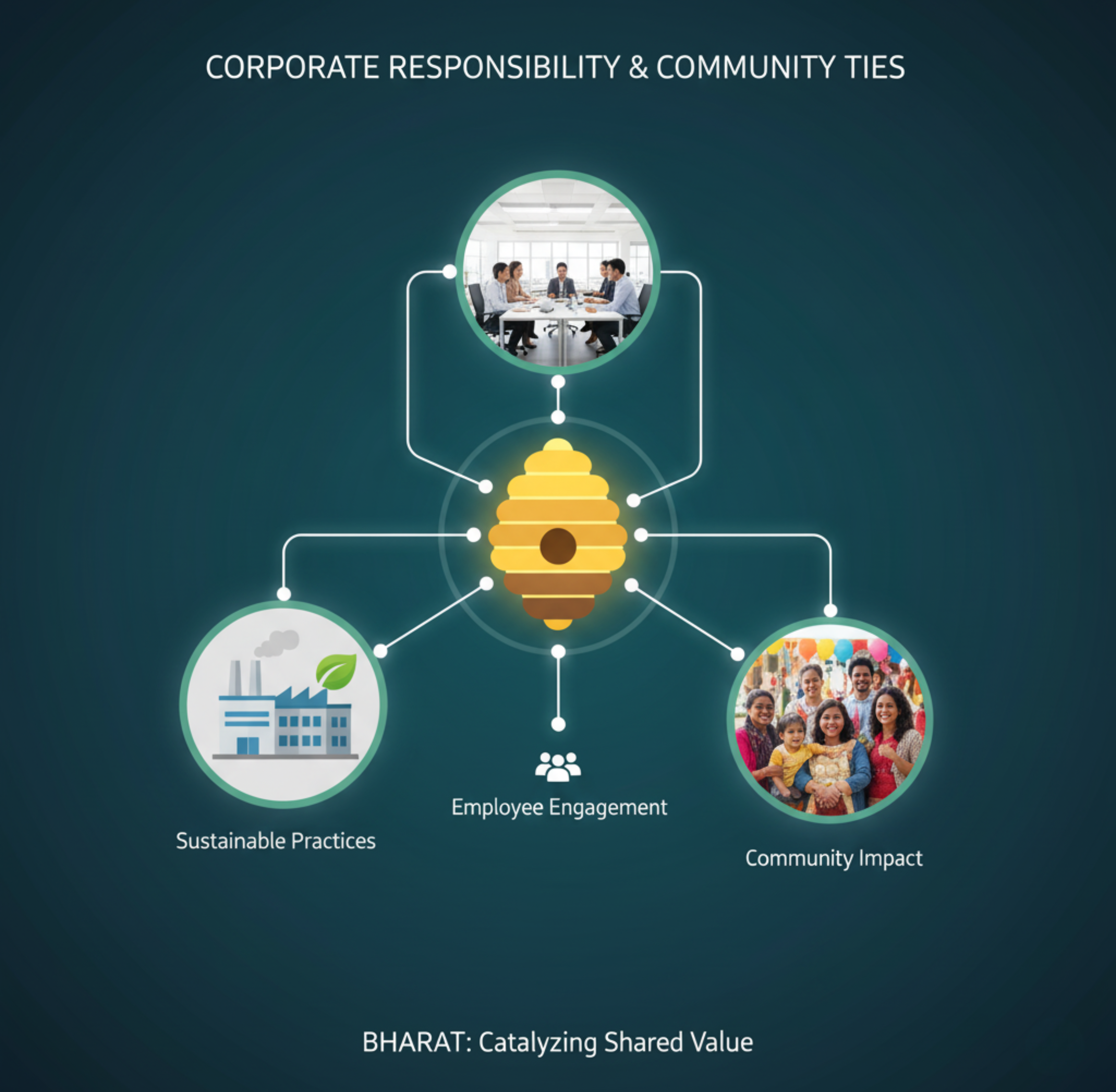
Strengthens corporate responsibility and community ties
Strengthens corporate responsibility by supporting sustainable initiatives that uplift rural communities and enhance biodiversity, creating lasting bonds between businesses and society.
Impact in Numbers (Verified by Government & Reports)
The Farmer Sponsorship Program by Devank Bharat Foundation delivers measurable and verifiable results that align with CSR, ESG, and sustainability goals:
Annual farmer income potential: ₹2.5–3 lakh from 100 bee colonies (Source: PIB India)
Crop yield improvement: 20–30% through enhanced pollination (Source: Drishti IAS)
Honey production: 30–50 kg per hive annually, generating approximately *₹30,000 in two months(Source: TOI – Sonahani Project)
74,000+ bee boxes distributed under government-supported schemes (Source: TOI)
Impact For – a Sustainable
The Earth
Restores ecosystems and promotes sustainable land and resource management
Humans
Ensures access to pure, natural food and raises awareness about pollinators’ critical role.
Farmers
Provides new income streams and strengthens agricultural productivity through pollination.
The Future
Supports long-term food security and empowers rural communities for generations.
Biodiversity
Protects pollinators and enhances the regeneration of flora and fauna.
Economy
Drives rural livelihoods, creates sustainable jobs, and contributes to green economic growth.
Biodiversity: Strengthen local wildlife and ecosystems.
ESG Win: Lead with measurable green impact.
Air Quality: Plants filter PM2.5 and NOx—bees make it happen.
Flora & Fauna: 30% more pollination restores biodiversity.
ESG Credibility: Achieve real local impact, beyond CO₂ offsets.
The Power of Bees:
Driving Sustainability and Prosperity
Pollination Impact: Enhances crop yields by 20-200% according to ICAR data.
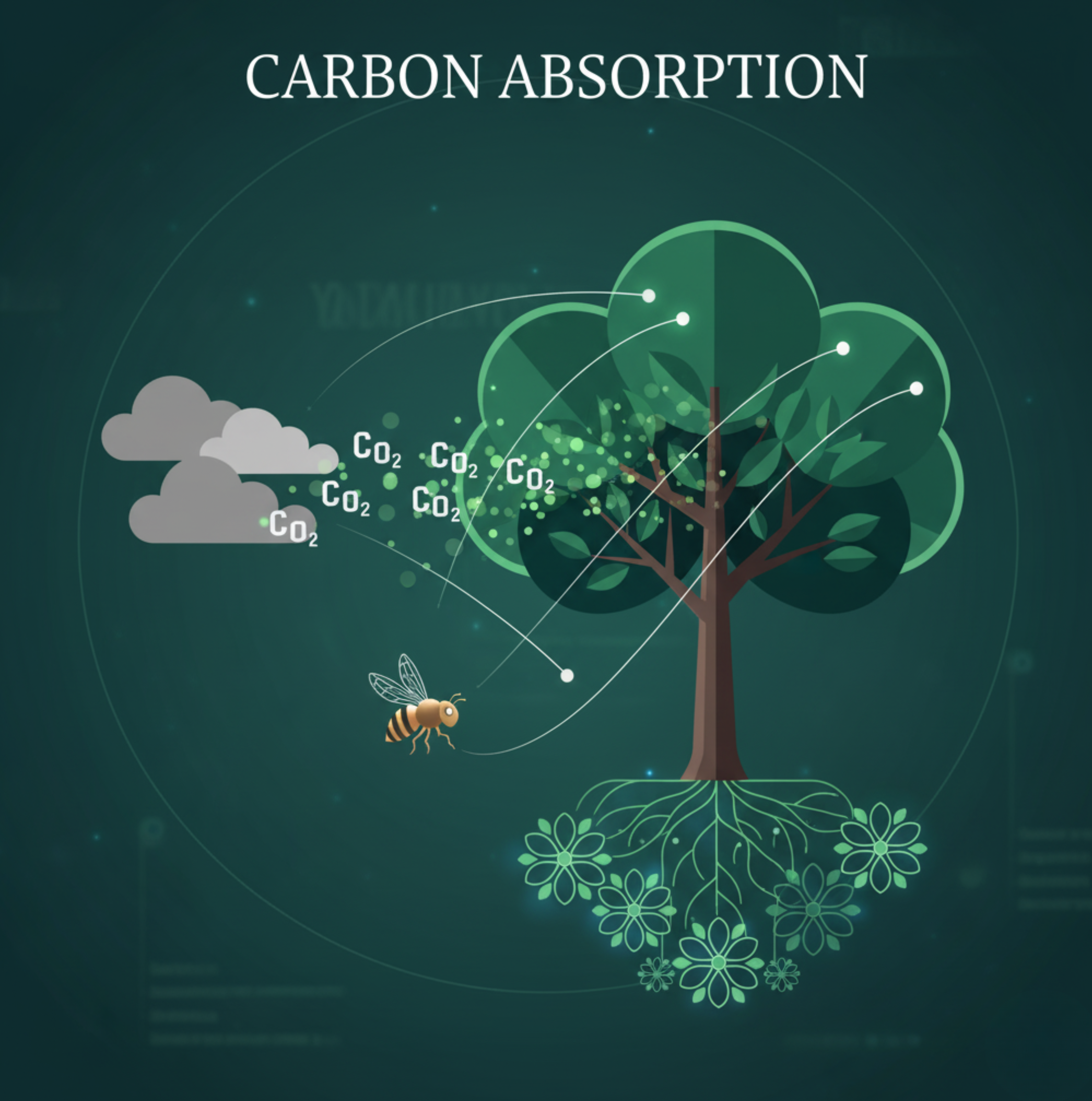
Environmental Benefits: Offsets approximately 50 tons of CO2 per 10 hives annually.
Economic Boost: Increases farmer incomes by ₹20,000-₹50,000 per hectare.
Compliance Support: Aligns with ISO 14001 and ISO 26000 standards for sustainability.
Get Involved
Join Devank Bharat Foundation in empowering farmers, restoring ecosystems, and driving sustainable agriculture. There are multiple ways to make a tangible impact:
For Corporates (CSR/ESG Focus)
Sponsor one or more farmers through our Farmer Sponsorship Program.
Track measurable impact via quarterly reports and verified outcomes.
Align your CSR and ESG initiatives with India’s Sweet Revolution and SDG goals.
For Individuals
Contribute towards farmer training kits and beekeeping resources.
Volunteer in awareness campaigns, workshops, and community initiatives.
Support rural livelihoods and help protect biodiversity and pollinators.
Gallery
The Honey Bee Crisis
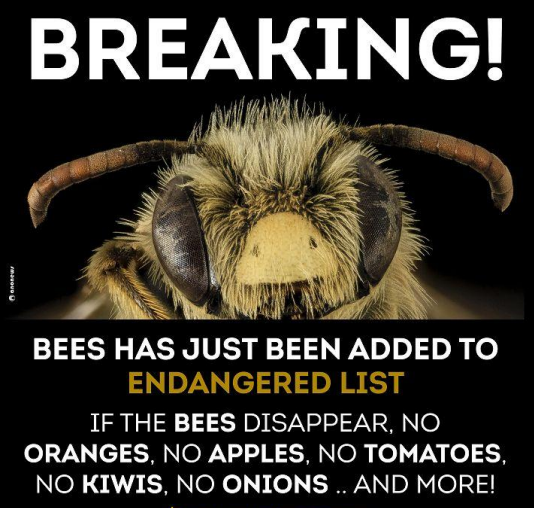
Honey bees are facing a serious global crisis. Over recent years, their populations have begun disappearing at an alarming rate. In the US alone, colonies have dropped from around 7 million to just over 2 million.
Why You Should Care
Honey bees contribute to one-third of the world’s food supply, so their continued decline poses a serious threat to humanity. “Bees contribute to global food security, and their extinction would represent a terrible biological disaster,” says Bernard Vallat, Director General of the World Organisation for Animal Health.
Bees help produce many foods, including apples, citrus, broccoli, onions, berries, avocados, and almonds.
Reasons For Disappearance
One major reason honey bees are disappearing is Colony Collapse Disorder (CCD). Researchers have yet to identify a single cause, but possible factors include pesticides, herbicides, parasites, and other environmental stresses.
How You Can Help
One simple way to help is by planting a bee-friendly garden, which supports bees in continuing pollination. Reducing herbicide and pesticide use is also recommended, and if pest control is necessary, choose bee-friendly alternatives.